
Manufacturing efficiency depends on more than how quickly a product can be produced. Once an item has been assembled, filled, and placed inside its carton, it still needs to pass through a packaging process that prepares it for storage, transportation, and sale. If this final stage cannot keep up with production, finished products may begin accumulating around the packaging area, creating delays and unnecessary handling.
For businesses producing boxed goods, outer packaging is an important part of the overall production strategy. It helps maintain a consistent product appearance, adds a protective covering, and gives manufacturers another opportunity to strengthen their presentation. However, completing this task manually can become difficult when order volumes increase or several product variations need to be processed throughout the day.
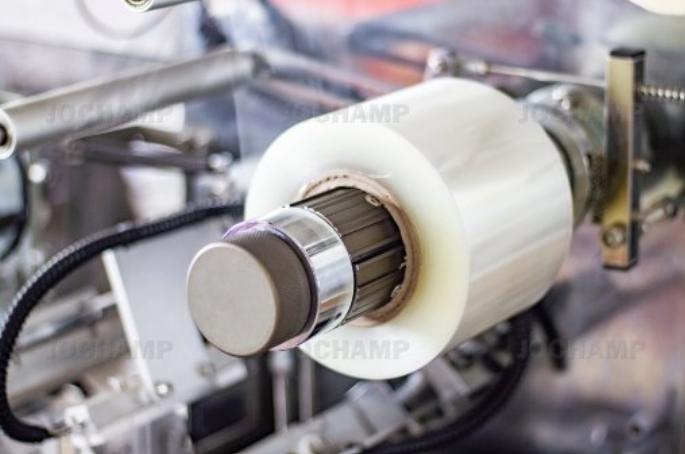
Automation offers a practical way to improve consistency and coordinate different packaging activities. A cellophane overwrapping machine can apply transparent film around finished cartons, creating a neat outer layer while reducing dependence on repetitive manual wrapping. Its real value becomes clearer when manufacturers consider how it fits into the wider production line.
Connecting Packaging Equipment With Upstream Production
A packaging line works best when each stage transfers products to the next without unnecessary interruptions. For example, a cartoning machine may complete several boxes in succession, but those cartons still need to be wrapped, inspected, collected, and prepared for distribution.
If the overwrapping process operates independently, workers may need to collect finished cartons and move them manually between workstations. This arrangement can increase handling time and create congestion, particularly when production volumes rise.
Connecting wrapping equipment with an upstream cartoning process can make product movement more organized. The cartons enter the wrapping section through a suitable feeding arrangement, pass through the wrapping cycle, and leave through an exit conveyor. The exact integration depends on factory layout, equipment configuration, and production requirements.
Before purchasing machinery, manufacturers should examine the complete movement of products through the facility. This helps identify whether the new equipment can connect with existing conveyors and whether additional space or handling arrangements will be necessary.
Creating a Consistent Package Across Every Production Batch
Consistency is especially important for companies that supply products to multiple retailers or distributors. A customer may receive cartons manufactured on different days, but the packaging should maintain a recognizable appearance.
Manual wrapping can produce differences in film positioning, corner folds, and sealing quality depending on the operator and working conditions. Automated equipment helps standardize repetitive movements, making it easier to achieve similar results across a production batch.
The quality of the final package still depends on several factors. Cartons should have consistent dimensions, sufficient rigidity, and properly closed edges. The film must also be suitable for the application, while machine settings need to match the packaging material.
Manufacturers should inspect the first few packages whenever a new production batch begins. Checking film alignment, fold appearance, seal quality, and overall carton condition can reveal problems before they affect a larger quantity of products.
Understanding the Difference Between Film Protection and Product Protection
Transparent overwrapping is useful because it adds a covering around an already packaged product. This outer layer can help reduce direct exposure to dust, surface contact, and certain handling conditions during distribution.
However, manufacturers should understand what the film can and cannot protect against. It does not automatically make a carton waterproof, replace a suitable inner barrier, or guarantee protection against every environmental condition. The level of protection depends on the material, sealing arrangement, and intended application.
This distinction matters in industries where products are sensitive to moisture, contamination, or extended storage. Businesses should evaluate the complete packaging structure, including the product container, carton, and outer film, rather than relying on one layer to provide every form of protection.
Selecting suitable materials and verifying the finished package under realistic storage and transportation conditions can help establish whether the packaging meets the required standards.
Choosing Packaging Material With the End User in Mind
The film used for overwrapping affects both the appearance and functionality of the finished carton. Transparent materials allow printed branding and product information to remain visible, while different finishes can influence how the package looks under retail lighting.
Cellophane and BOPP are two materials associated with transparent overwrapping, but they have different compositions and performance characteristics. Manufacturers should confirm which material their selected equipment supports and whether the required sealing method is compatible.
Another consideration is the opening experience. Some packaging applications benefit from an easy-open tear strip, allowing customers to remove the outer film without struggling with the package. Where this feature is required, buyers should confirm whether the machine supports a tear-tape applicator and whether it can position the strip consistently.
These small details can influence customer convenience and the overall perception of product quality. Packaging decisions should therefore consider the experience after the product leaves the factory, not just the speed of the production process.
Managing Different Products Without Disrupting Operations
Manufacturers rarely remain limited to one product format forever. A company may introduce new carton dimensions, launch a different product range, or supply customized packaging for particular customers. Equipment that cannot accommodate these changes may eventually become a production limitation.
For this reason, adjustment flexibility should be considered before purchasing an overwrapping system. Buyers should identify the range of carton dimensions they expect to process and ask how the machine handles format changes.
Some machines require physical adjustments or replacement parts when switching carton sizes, while others may offer more convenient setting arrangements. The correct choice depends on how frequently the product range changes and how much time the business can allocate to changeovers.
A useful purchasing exercise is to prepare samples of the smallest, largest, and most frequently produced cartons. These samples can be used during supplier discussions to establish whether the proposed equipment is suitable for the actual production range.
See also: 5 Businesses You Can Start With a DTF Printer
Improving Quality Control Through Better Process Visibility
A reliable packaging operation needs clear methods for identifying and correcting problems. When a wrapped carton has a loose fold or damaged film, production staff should be able to determine where the issue originated.
Problems may come from inconsistent cartons, incorrect film positioning, unsuitable sealing temperatures, or interruptions in product feeding. Without basic production records, teams may repeatedly adjust the machine without identifying the underlying cause.
A simple quality-control routine can make a difference. Operators can inspect samples at the beginning of a run, after material changes, and following major machine adjustments. They can also record recurring faults, rejected packages, and downtime events.
Over time, this information helps manufacturers understand which settings produce reliable results and where additional training or maintenance may be required. Better process visibility can reduce unnecessary experimentation and make production planning more predictable.
Considering Safety and Maintenance Before Installation
Automated packaging equipment introduces moving components, feeding mechanisms, cutting areas, and heated sealing sections. These features require appropriate safety arrangements and trained operators.
Before installation, manufacturers should confirm that the machine has suitable protective guards, emergency stopping arrangements, and safety interlocks where applicable. The operating instructions should clearly explain how to handle film changes, product jams, cleaning, and routine adjustments.
Maintenance requirements should also be discussed with the supplier. Businesses need to understand which components require regular inspection, how replacement parts can be obtained, and what technical support is available if the equipment stops operating correctly.
Planning these responsibilities in advance helps prevent a situation where production is interrupted because staff do not know how to respond to a routine problem. A machine is a long-term production asset, so its support arrangements deserve attention before the purchase is finalized.
Planning the Packaging Area for Better Workflow
Factory layout has a direct influence on how efficiently packaging equipment can operate. A machine placed in an unsuitable location may create unnecessary product movement, restrict operator access, or make maintenance difficult.
Manufacturers should consider the available floor space, electrical supply, material storage, finished-product collection, and access for maintenance personnel. There should also be enough room for operators to load film rolls and inspect packages safely.
Digital design tools such as Dreamina can help teams explore possible factory layout concepts and visualize how different workstations might fit together. These visual ideas can support early planning discussions, although final installation decisions must follow actual equipment measurements and technical requirements.
A well-organized packaging area makes it easier to move products between production stages while keeping materials and finished cartons properly arranged.
Making the Right Equipment Investment
Buying packaging machinery requires a clear understanding of current production needs and future business plans. A low purchase price may appear attractive, but it should not be the only factor considered. Compatibility, operating capacity, material requirements, maintenance costs, and supplier support all influence the equipment’s long-term value.
Manufacturers should request technical specifications and confirm the supported carton dimensions, film types, production capacity, power requirements, and available automation features. A demonstration using actual cartons and wrapping material can provide a much clearer picture of performance than a general product description.
It is also worth discussing installation, operator training, spare parts, warranty terms, and after-sales assistance. These arrangements can make a significant difference when the equipment becomes part of an active production line.
Conclusion
A well-organized packaging process helps manufacturers maintain product presentation, reduce repetitive handling, and keep finished goods moving efficiently toward distribution. Overwrapping equipment can contribute to these goals, but its effectiveness depends on selecting the right configuration, compatible materials, and a suitable production layout.
For businesses evaluating a cellophane overwrapping machine, the most important step is to assess the actual packaging requirements before making a purchase. Compare carton compatibility, wrapping quality, operating capacity, changeover arrangements, safety features, and long-term technical support. Ask the supplier to test your own products so you can judge the results under realistic conditions.
Choosing equipment based on these practical considerations can help avoid costly mismatches and support a more dependable packaging operation. The right investment should not simply wrap cartons faster. It should fit naturally into the production line, maintain a consistent finish, and provide the flexibility needed as manufacturing requirements evolve.