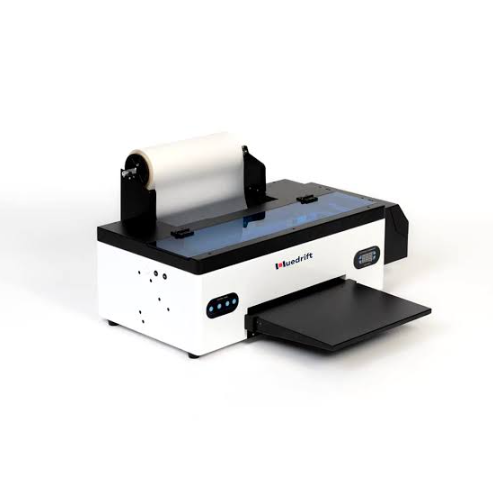

A DTF printer is an incredible machine to start a business with. It prints full-color designs on film, which you press onto fabric and some hard goods, so one machine can support several different kinds of businesses. Based on insights we have gathered from small business owners and entrepreneur communities, these five DTF businesses come up again and again. We will discuss the 5 businesses you can easily start with a DTF printer. We will also go through some practical advice on making it work, and then take a look at what to look for in a DTF printer.
1. A Custom Apparel or Streetwear Brand
This is the obvious one: design and press T-shirts, hoodies, and jackets on demand or in small batches. Because you press as orders arrive, you avoid the big upfront inventory cost that makes traditional apparel risky.
What makes this work is that it is a really narrow niche. General custom apparel on marketplaces like Etsy is saturated. A tight sub-culture, a local scene, or a specific hobby gives you pricing power and repeat customers.
See also: Solomon Law SC: Compassionate Personal Injury Representation
2. A B2B Uniform and Workwear Provider
Local businesses always need branded clothing: construction crews, restaurants, cleaning companies, and corporate teams. You supply shirts, safety vests, and logo apparel in batches.
The reason it works is that you get repeat orders. A restaurant that needs twelve shirts now will need more when staff changes. Business accounts also place orders of consistent size, which is easier to plan around than one-off retail.
3. A DTF Transfer (Gang Sheet) Supplier
Print and sell ready-to-press transfers and gang sheets to other local print shops, hobbyists, and apparel makers who don’t own a printer. Customers send artwork, you print, and they press it themselves. This model has the lowest barrier, but price competition is steep. Selling only transfers is a volume game. Many operators find that selling finished goods, such as a completed hoodie, earns more profit per unit than selling the transfer alone. If you go this route, use it to build relationships and consider adding finished products later.
4. An Event and Souvenir Merchandising Business
Produce custom merchandise for local sports leagues, school spirit wear, family reunions, tourist locations, and holiday pop-ups. Demand is seasonal, but predictable once you know your calendar. What makes this model work is speed and flexibility. Event organizers often need small quantities on short notice, and on-demand printing is built for that.
5. A Promotional and Hard-Goods Customizer
Beyond fabric, DTF transfers can be applied to tote bags, hats, athletic jerseys, and selected hard surfaces like drinkware or packaging materials with a heat press. This widens your product list for corporate clients and gift buyers. What makes this model so great is testing. Hard surfaces can behave differently than fabric, so test adhesion, durability, and wash or wear performance before you sell.
Finding Your First Customers
Whichever model you choose, the first ten customers usually come from direct outreach rather than advertising. Walk a sample shirt into a local gym, brewery, or contractor and ask what they currently pay for branded apparel. Post finished work on Instagram and local Facebook groups, tag the businesses and teams you served, and keep a simple price sheet ready so quotes take minutes instead of days. Early orders also teach you which garments, sizes, and designs repeat, which is data no market report can give you. Keep your pricing honest, too. Count blanks, film, ink, powder, packaging, and your time. Many beginners underprice because they only count the ink.
Lessons That Apply to All Five
- Niche down. Local business accounts, batch orders, or a tight audience give better margins than chasing single custom items.
- Sell finished products where you can. Finished goods usually carry more profit per unit than bare transfers.
- Let volume decide. Owning and maintaining a printer typically makes financial sense at a consistent 30 to 50 or more garments or transfer sheets per week. Below that, outsourcing prints can be a sensible way to start.
- Maintenance plan. White ink needs regular attention, and your schedule should account for it.
Choosing a Printer for These Businesses
For any of the models above, the features that matter most are reliable white ink handling, enough output for your volume, and software and support you can depend on. The OMTech Aurora D1 Series is built around those points:
- Automatic white ink circulation and stirring, with scheduled printhead cleaning and moisturizing every 12 hours, plus up to two weeks of standby when the printer is left powered on and maintained.
- Two output levels. The single-head Aurora D1 reaches up to 11 sq. ft. per hour, which suits a custom brand or event merch. The dual-head Aurora D1 Pro (Epson i1600) reaches up to 50 sq. ft. per hour, which is a better match for transfer supply or B2B batches.
- 15-inch roll-fed printing, which supports full-chest graphics, gang sheets, and longer runs.
- Shaker-and-dryer bundles for a more connected roll-to-roll workflow, reducing hands-on steps after printing.
Here is how that maps to the five businesses:
| Business | Printer fit |
| Custom apparel brand | Single-head D1 for small batches |
| B2B uniforms | D1 Pro for larger repeat orders |
| Transfer supplier | D1 Pro for throughput |
| Event merchandise | Either, depending on volume |
| Hard-goods customizer | Either, plus a suitable heat press |
You’ll also need a Windows computer, RIP software, DTF ink, PET film, powder, and a heat press. The Aurora works with OMTech Print and Honsonsoft RIP, and OMTech’s product page includes a DTF Business Estimator that lets you enter your own prices and volumes to estimate gross profit and payback. Those numbers are planning estimates, not promises.
Choosing Between the Five
If you’re unsure which model to start with, ask three questions. Who can you reach in person this month? Which of them already spends money on printed apparel? And which product could you make well with the equipment you can afford now? The answers usually point to one of the five quickly. A gym member with contacts in local teams will find event merchandise easier than a transfer business, while someone with trade contacts may land uniform contracts faster than any online store.
Getting Started
Pick the model that matches the customers you can actually reach. Test with a small batch, track what sells, and decide on printer ownership once the volume is there. The best DTF businesses are rarely the ones with the most equipment. They’re the ones with a clear customer, a reliable process, and products people reorder.