
Road safety is often discussed in terms of speed limits, traffic laws, and enforcement, but everyday driving behaviour is influenced by much more than posted regulations. Drivers make decisions based on road conditions, surrounding vehicles, visibility, pedestrian activity, and how clearly they understand the risks around them. A road that feels familiar can sometimes encourage people to become less attentive, particularly when they travel along the same route every day. This makes continuous awareness an important part of preventing avoidable incidents.
One challenge for road authorities is finding ways to encourage safer behaviour without relying entirely on penalties. Enforcement has an important role, but drivers also need opportunities to recognise their mistakes and adjust their actions before a dangerous situation develops. Clear roadside communication can provide that opportunity by giving motorists useful information at the moment they need it.
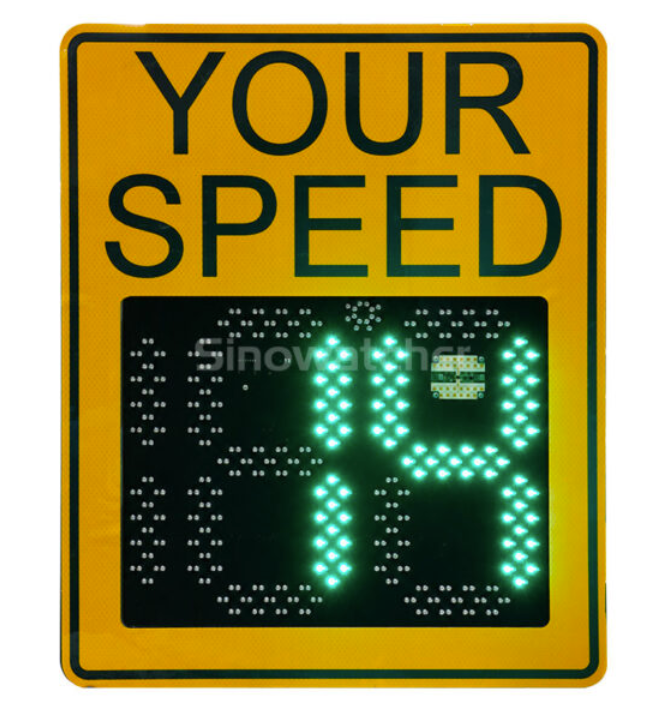
A well-positioned radar speed sign can support this approach by showing drivers their current speed as they approach a monitored area. Instead of discovering that they were travelling too quickly after receiving a fine, motorists receive immediate feedback that allows them to respond. This simple interaction can make road safety messages more practical and easier to understand.
Familiar Roads Can Encourage Risky Driving Patterns
People often behave differently on roads they know well. Regular commuters become familiar with bends, intersections, pedestrian crossings, and traffic signals. Although this familiarity can improve navigation, it may also reduce the attention drivers give to their surroundings. Some motorists gradually become comfortable travelling slightly faster than the posted limit because they believe they already understand the road.
This behaviour can be particularly concerning near residential streets, schools, shopping areas, and community facilities. Children may cross unexpectedly, pedestrians may step onto the road, and cyclists can be difficult to notice in busy traffic. Even a small increase in vehicle speed can reduce the time available to react when something unexpected happens.
Roadside feedback systems can help interrupt these habits. When drivers see their actual speed displayed in front of them, they receive a reminder that encourages them to reconsider their behaviour. The message is immediate and connected to the road they are currently travelling on, making it more relevant than a general safety announcement.
Why Immediate Feedback Matters More Than General Warnings
Traditional speed limit signs communicate the maximum permitted speed, but they do not tell drivers whether they are following that limit. A motorist may pass a speed restriction without checking the vehicle’s dashboard or noticing that their speed has increased while travelling downhill.
Immediate feedback makes this information easier to recognise. A digital display can measure an approaching vehicle and present its speed in a visible format. Depending on the system, colour changes can help communicate whether the vehicle is travelling within the permitted limit or exceeding it.
This approach also reduces the distance between an action and its consequence. Drivers do not have to wait for a warning letter or enforcement notice to understand that they were moving too quickly. They can make an adjustment while continuing along the road, which is especially useful in locations where pedestrian activity or changing traffic conditions require greater caution.
Choosing Locations Where Driver Awareness Is Most Important
Installing road safety equipment requires more planning than simply identifying a suitable pole or roadside surface. Authorities should first understand where speeding creates the greatest risk and which locations would benefit most from additional driver awareness.
School zones are an obvious example. Children may cross roads during arrival and departure periods, while parked vehicles and school buses can restrict visibility. A visible speed feedback display can remind approaching motorists to reduce their speed before reaching a crossing or entrance.
Residential neighbourhoods present another important application. Streets with houses, driveways, parks, and local shops often have a mixture of vehicle and pedestrian movement. Drivers may use these roads frequently and gradually become less conscious of their speed. Visible feedback can help reinforce the importance of travelling carefully even when traffic appears light.
Construction areas also require particular attention. Temporary road layouts, workers near moving vehicles, and unexpected lane changes can create conditions that demand slower driving. In these environments, safety equipment should be positioned where motorists have sufficient time to notice the information and respond smoothly.
Making Road Safety Systems Easier to Maintain
A roadside installation must remain dependable after the initial setup. Equipment placed outdoors faces rain, sunlight, dust, temperature changes, and vibration from nearby traffic. If these conditions are not considered during procurement, maintenance requirements may become more demanding than expected.
Housing materials, mounting arrangements, electrical connections, and weather protection should all be reviewed before selecting a system. An enclosure designed for outdoor use can help protect internal components, while secure mounting reduces unnecessary movement and potential damage.
Power supply is another practical consideration. Some locations have convenient access to mains electricity, while remote roads may require a different arrangement. Solar-powered configurations can offer greater flexibility where conventional electrical connections are difficult or expensive to install. However, the solar panel, battery capacity, local sunlight conditions, and expected operating hours should be evaluated together rather than treated as separate specifications.
Planning maintenance access is equally important. Technicians need a safe way to inspect the equipment, clean external surfaces, check connections, and identify faults. A system that is easy to reach and service can help reduce disruption and support more consistent operation over time.
See also: 5 Businesses You Can Start With a DTF Printer
Using Traffic Information to Improve Future Decisions
Road safety planning becomes more effective when authorities examine how traffic behaves after equipment has been installed. A single installation may provide an immediate visual warning, but long-term improvements require an understanding of the wider situation.
Traffic surveys can help identify whether motorists frequently exceed the speed limit, whether certain periods experience more speeding, and how vehicle behaviour changes between weekdays and weekends. These observations can support decisions about sign placement, additional warnings, speed restrictions, or other traffic management measures.
Some modern roadside systems also offer scheduling functions that allow operating settings to reflect different periods. For example, a location near a school may require particular attention during school hours, while a road near a community market may experience greater pedestrian activity at different times. Appropriate scheduling can make safety measures more relevant to local conditions.
Technology should not replace proper traffic studies or road engineering. Instead, it can provide another source of practical information that helps authorities understand where additional measures may be necessary.
Combining Digital Displays With Better Road Design
No single piece of equipment can solve every road safety problem. Driver behaviour is influenced by road width, lighting, pavement condition, intersection design, pedestrian crossings, and the visibility of surrounding hazards. Digital feedback works best when it supports a wider safety strategy.
For example, a road near a playground may require improved pedestrian crossings, clear warning signs, appropriate lighting, and a suitable speed limit. A digital display can reinforce the speed restriction, but the surrounding infrastructure must also help drivers recognise the possibility of children entering the road.
The same principle applies to roads near commercial buildings. Delivery vehicles, customers, cyclists, and pedestrians may share limited space. Better parking arrangements, clearly marked crossings, and organised access points can reduce confusion. Driver feedback then becomes one part of a more coordinated approach.
Visual planning tools can help radar speed sign project teams explore different roadside layouts before installation. A platform such as Dreamina may be useful for developing early visual concepts that show how equipment could appear within a proposed streetscape. These concepts are not substitutes for engineering drawings or technical site assessments, but they can support communication during the planning stage.
What Authorities Should Consider Before Purchasing Equipment
Selecting traffic safety equipment should begin with the intended application rather than a list of attractive specifications. A system designed for a quiet residential road may not be suitable for a busy multi-lane route with higher vehicle speeds and different viewing requirements.
Detection performance is one of the first details to examine. Authorities should understand the radar technology, detection distance, measurement consistency, and the conditions in which readings may be affected. Display visibility also matters because motorists need enough time to recognise the information without becoming distracted.
Power requirements, installation height, mounting options, enclosure quality, and environmental protection should be assessed against the actual location. Buyers should also check whether the system supports the operating schedules and configuration options required by the project.
Finally, suppliers should provide clear technical documentation and explain the available maintenance support. A lower purchase price may not represent better value if replacement components are difficult to obtain or servicing requires unnecessary expense. Evaluating the complete operating lifecycle can lead to a more reliable investment.
Conclusion
Safer roads depend on consistent decisions made by drivers, planners, and local authorities. While speed limits establish important boundaries, motorists also need clear reminders that help them understand how their behaviour affects other road users. Immediate roadside feedback can make those reminders more useful by connecting driving behaviour with visible information.
The most effective approach combines suitable technology with thoughtful placement, dependable maintenance, traffic observations, and improvements to the surrounding road environment. When these elements work together, communities can encourage more responsible driving habits and create conditions that are safer for pedestrians, cyclists, and motorists alike.