
Introduction
For service details, see best site to buy fresh gmail pva accounts. Creating a new email account is an opportunity to establish good security habits from the beginning. Before using the inbox for important messages, review its available protections through Google’s Account Security Checkup or the settings provided by your email service. A few minutes of preparation can reduce the likelihood of account problems later. For further details, see best site to buy fresh gmail pva accounts.
Step 1: Create a Unique Password
Use a strong password that is not used on another website. A reputable password manager can generate and store unique credentials. Avoid predictable personal details such as birthdays or common words. Do not send your password through email or chat, and never enter it into a sign-in form reached from an unexpected message. If the service offers a passkey or another secure sign-in option, review the official information to understand whether it suits your devices.
See also: Top Paid Surveys in Australia for Earning Extra Cash
Step 2: Add Recovery Information
Choose recovery details that you control and can access. Keep them current when phone numbers or email addresses change. Protect the recovery inbox with its own unique password and additional verification. If you ever need to regain access, use the provider’s official account recovery process, not an unfamiliar service that asks for your password or promises to bypass security checks. Related information is available at buy fresh gmail pva accounts usa.
Step 3: Enable Two-Step Verification
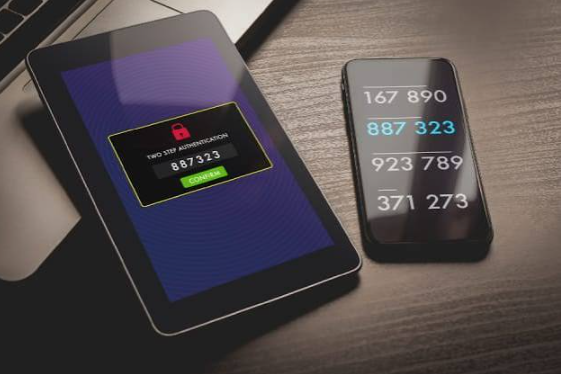
If the provider offers it, enable an additional sign-in check. Choose a method you can use reliably and prepare a backup option. Store backup codes securely if available, and never disclose one-time codes to another person. Deny unexpected sign-in prompts. If you receive repeated prompts you did not initiate, change your password from a trusted device and review account activity.
Step 4: Check Connected Applications
Review the apps and services allowed to access the account. Approve only permissions you understand and need. Remove access for tools you no longer use or do not recognize. Be particularly careful with browser extensions that request permission to read messages or manage account data. Use reputable sources when installing software, and review privacy settings before linking a new app to your inbox.
Step 5: Learn to Identify Phishing
Be cautious with urgent messages, unexpected attachments, and links that lead to unfamiliar domains. Visit official websites directly when checking security alerts or account notices. Check the sender’s complete address rather than relying on the display name. Never share passwords or verification codes with someone who contacts you unexpectedly. Report suspicious messages using the provider’s built-in tools.
Step 6: Secure Your Devices and Routine
Use a screen lock, keep your operating system and browser updated, and avoid saving credentials on shared computers. Sign out fully when using a device other people can access. Review account activity every few months, remove old devices, check recovery details, and confirm that connected apps still need access. If the account is for work or school, follow the institution’s security policies.
Separate Personal and Work Responsibilities
Before using a new address for work, check whether your employer or school requires an approved provider or managed account. Personal inboxes may not have the access controls, retention settings, or support processes required for institutional information. Likewise, do not use a work inbox for private services if doing so would expose personal information to an administrator or create problems when you leave. Clear boundaries help with privacy, recordkeeping, and continuity. If you need to transfer legitimate personal records from an old address, do so carefully and avoid moving confidential work material into an account that is not approved for it.
Set Up Useful Organization Without Risky Shortcuts
Labels, folders, filters, and calendar integrations can make an inbox easier to manage, but review what each rule does before relying on it. A filter that automatically archives messages might hide an important security alert, while an unexpected forwarding rule could send private messages elsewhere. Start with simple organization rules, test them, and revisit them after changing providers or devices. Avoid giving broad account access to an unfamiliar app just to gain a small convenience. The best setup is one that saves time while remaining understandable enough for you to notice unusual activity.
Prepare for Ownership and Access Changes
A new email account may eventually become part of a larger change, such as graduation, a job move, or a change in family responsibilities. Before that happens, check which legitimate services use the address for sign-in, receipts, or recovery. Update those services through their official settings and preserve records you are entitled to keep. Do not transfer an organization’s confidential messages to a personal account when leaving a role. If an account is managed by a school or employer, ask the administrator about the approved transition process. Planning ahead helps prevent lost records and protects information belonging to other people.
Protect Email Privacy While Traveling
Travel can introduce extra privacy risks because people use unfamiliar networks, borrow devices, or check messages in public places. Keep devices locked and updated, and avoid leaving an inbox open where someone can view the screen. Be careful when discussing confidential matters in crowded spaces, and do not connect an account to a computer just because a public charging station or pop-up recommends it. If you need to use a shared device, avoid saving credentials and sign out completely. For work, use the organization’s approved remote-access tools and follow its travel guidance. After returning, review account activity if you used unfamiliar devices or received unusual security prompts.
Keep a Record of Safe Setup Decisions
A short setup record can remind you which security choices have been made without storing secrets. It may note that two-step verification is enabled, recovery details have been checked, and connected apps were reviewed on a certain date. Do not include passwords or one-time codes in this record. Keep it somewhere protected and revisit it when changing devices or contact information. A simple record makes routine maintenance easier and can help you notice when a setting has been overlooked. When reviewing related service information, readers can also visit phone verified fresh gmail accounts instant delivery for a separate reference page.
Conclusion
A secure account setup does not need to be complicated. Unique credentials, reliable recovery methods, extra verification, careful app permissions, and regular reviews create a strong foundation for safer email use. Set these protections up early, and revisit them whenever your devices or contact details change.
LINK MAP — EXACT ANCHOR TEXT AND DESTINATION
- Paragraph 1 | Anchor text: “best site to buy fresh gmail pva accounts” | Destination URL: https://pvainfo.com/buy-gmail-pva-accounts-with-app-password-from-pvainfo.html
- Paragraph 3 | Anchor text: “buy fresh gmail pva accounts usa” | Destination URL: https://martpva.com/gmail-pva-accounts