Newsletter Subscribe
Enter your email address below and subscribe to our newsletter

 ByJohn A
For people with celiac disease and those with highly sensitive gluten allergies, going out to eat is far from being a casual activity. It needs thorough preparation, constant alertness and a great deal of trust placed in the kitchen staff. Even if many restaurants promote gluten-aware menu items, celiac-friendliness is more than just making sure wheat has been taken out of a dish.
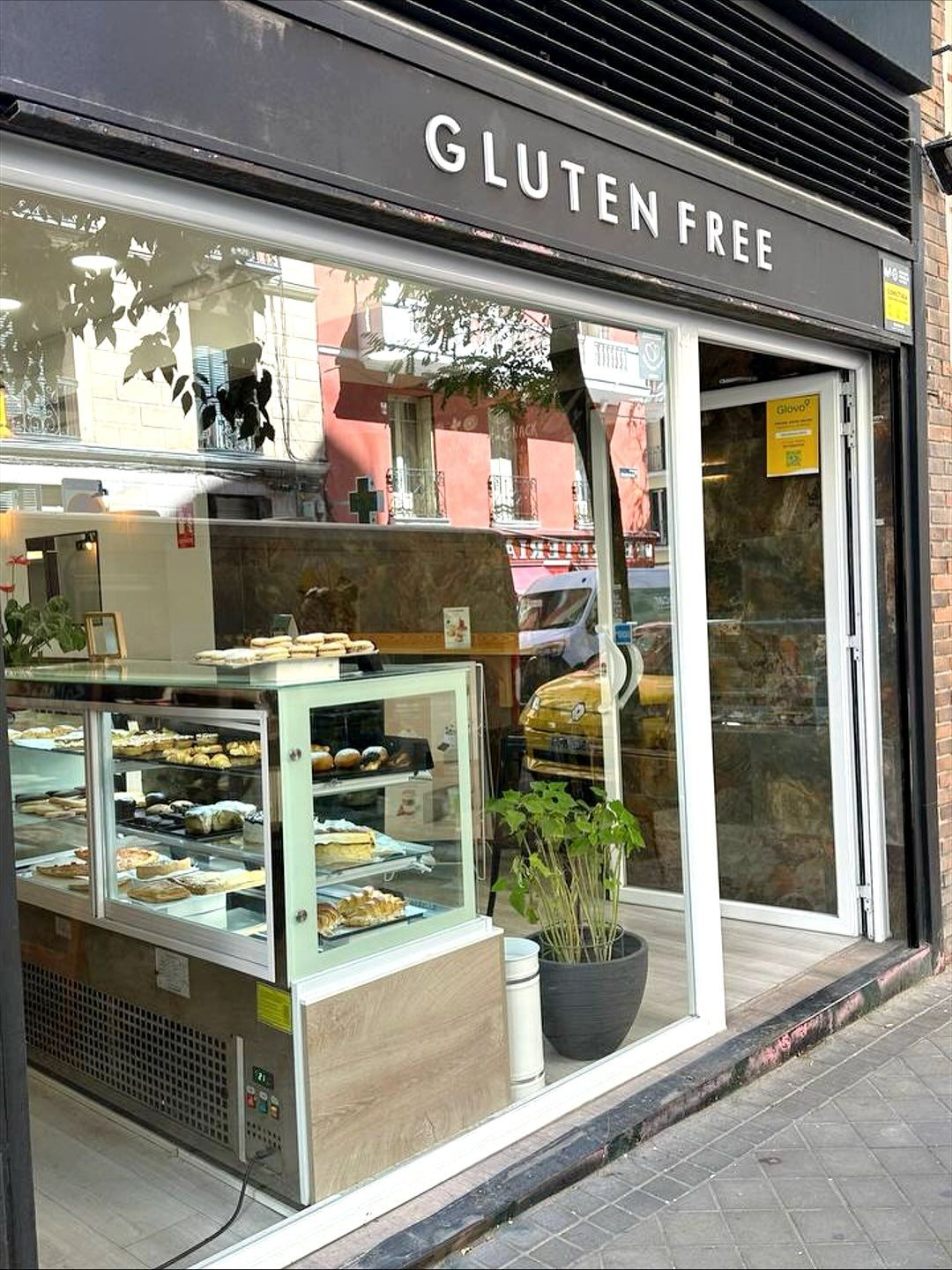
When people seek gluten free restaurants near me on the internet, what they are after is restaurants which comprehend the precautions against cross-contamination. Places such as The Tomato Shack Salad & Pizza Co, Manayunk prove that the right kitchen planning and operation procedures may turn safety into a culinary standard.
In order to fully comprehend why kitchen policies need to be so strict in terms of preparation, one needs to first have some basic understanding of medical facts separating those who choose to lead a gluten-free life from those who suffer from celiac disease.
If an individual follows a wheat-free diet for health benefits, any possible contamination might do no harm. But in case of a celiac patient, consumption of a mere speck of gluten-containing bread might result in serious internal damages.
Celiac disease is a type of autoimmune condition, in which even minute amounts of gluten, as low as 20 parts per million, can cause an immune response that would damage the walls of the small intestines.
Microscopic flour dust in the air, deep fryers with contaminated oil, or even a toaster shared by regular and gluten-free products can render any food item not safe for someone who suffers from the disease.
See also: How to Evaluate Salary and Benefits Together
A standard commercial kitchen operation operates based on speed, efficiency, and collaboration. The cookware, chopping boards, pans, and other serving utensils are passed fast from one line station to another during the dinner rush period.
Lack of safety procedures means that the flour dust in the air settles down fast onto the surfaces of the food preparation counter. It is possible for traces of protein to get from one dish to another unknowingly to the cooks who are unaware.
First in line in terms of preventing any cross-contamination is the physical separation in the commercial kitchen. High-quality kitchen prep areas ensure that there is no possibility that any safe ingredient comes into contact with the ingredients containing gluten.
In safe kitchens, special preparation areas which are either color coded or physically segregated are used only for the preparation of menu items that are gluten-free.
The raw materials that are known to be gluten-free are stored always on upper shelves above materials which contain gluten to ensure no accidental dripping or falling of dust from them.
The equipment in a celiac-safe kitchen is not only color coded, but also segregated. This includes everything ranging from a separate pizza oven to baking stone, and all kinds of utensils such as knives, tongs, cutting boards, and prep bowls.
Special care should also be taken regarding deep fryers, which are known to cause contamination due to flour particles deposited from batter.
First-rate dining establishments ensure they have readily available digital charts that list every ingredient used in each dish available in the menu, giving the guests an opportunity to ensure their order is safe and free from any food-related issues before making it.
In the search for reliable gluten free restaurants near me, guest feedback often mentions how much communication there is when ordering. Visible indicators like separate dishware colors or food allergy symbols on the served plate assure guests that their order was made under safety procedures all along.
A safe dining experience starts way before the food products enter the back door of the restaurant. The supply chain is verified to confirm that the food meets all safety standards from sourcing to delivery.
Managers need to read through the raw ingredient specifications and verify the food products from their manufacturers directly. Food products which are supposed to be naturally gluten free, like ground spices, oat products, pre-prepared vegetables, and processed sauces, may be manufactured on the same machines unless they are tested for allergies by approved certification agencies.
Once the delivery trucks come into the establishment, kitchen staff check packages for any damages like holes, cuts, or damaged boxes which could lead to any kind of contamination during transportation. Allergen safe products receive special attention once received and are sealed and stored properly in airtight containers.
It is not enough just to have all necessary equipment and good ingredients; the whole process depends on staff and their knowledge about how to deal with everything mentioned above.
Both servers, expeditors, and line cooks receive training on how to handle allergic reactions and cross contact in detail. Whenever a customer brings up the case of celiac disease, front-of-house employees clearly mark their order at the point-of-sale system to trigger certain line procedures.
Before handling any safe dish, kitchen personnel should first thoroughly wash their hands, put on new gloves, and sanitize all work surfaces.
In searching online for gluten free restaurants near me, the consumer should pay attention to the signs of good staff training and knowledge, which means being able to answer questions about equipment and dishes available. Good staff means people who know everything about allergy risks and can reassure consumers that their health is protected.
Celiac-safe cooking is a unique art form that needs true dedication, continuous staff training, and stringent standards in operation in the kitchen. From the use of dedicated workstations and fryers to the careful selection of suppliers and colored serving utensils, the establishment of a safe culinary atmosphere is hard work, but its payoff is enormous.