Newsletter Subscribe
Enter your email address below and subscribe to our newsletter

 ByJohn A
A home should be more than a place to sleep. It should be a comfortable environment where family members can relax, spend time together, and create lasting memories. Whether you live in a small apartment or a large house, simple improvements can make your living space more practical and welcoming.
Creating a family-friendly home does not always require expensive furniture or major renovations. Small changes in room layouts, storage, lighting, and decoration can improve everyday life while making the home more enjoyable for everyone.
Comfort should be one of the first considerations when designing a family home. Choose furniture that supports everyday activities, such as relaxing, reading, watching television, or talking with family members.
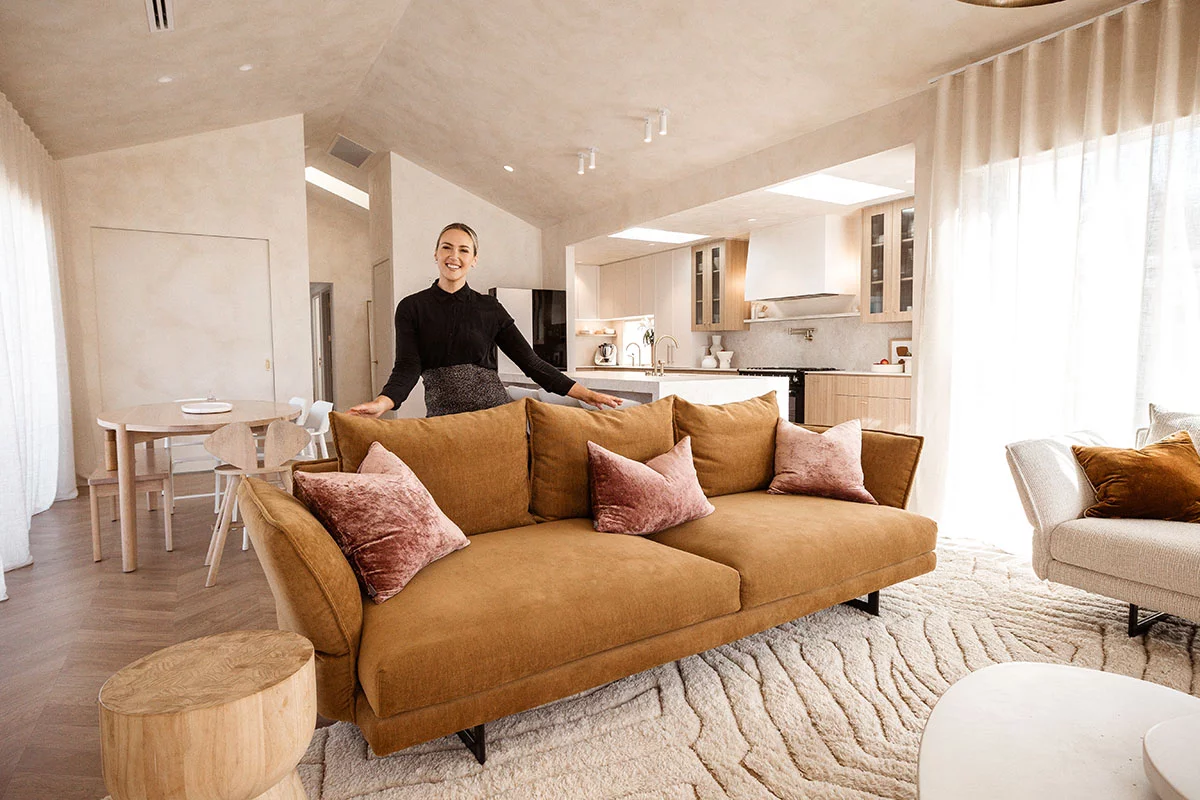
A comfortable sofa, soft cushions, and suitable lighting can make a living room more inviting. If children live in the house, select durable fabrics that are easy to clean. Washable cushion covers and practical furniture can help maintain a neat appearance without creating extra work.
You can also explore these home improvement tips for inspiration on improving your rooms, organizing household spaces, and making your home more functional.
The living room is often the center of family life. It may be used for conversations, entertainment, homework, and relaxation. A thoughtful layout can help everyone feel comfortable.
Arrange furniture to encourage conversation instead of placing every seat toward the television. Keep enough space between furniture pieces so that family members can move around easily.
Use rugs, cushions, and curtains to add warmth and personality. Family photographs, artwork, and meaningful decorations can also make the room feel personal without overcrowding it.
A clean and organized home can reduce daily stress. When everything has a designated place, family members can find what they need more easily.
Use baskets for toys, shelves for books, and storage containers for household supplies. Place frequently used items where family members can reach them safely. In shared spaces, simple labels can help children learn where their belongings belong.
Try to spend a few minutes each day putting items back in their proper places. This small habit can prevent clutter from becoming overwhelming.
Families with young children should consider safety when arranging furniture and choosing decorations. Secure heavy furniture to the wall, cover accessible electrical outlets when appropriate, and keep cleaning products and medicines out of children’s reach.
Choose furniture with rounded edges where possible, and avoid placing fragile decorations in areas where children regularly play. Keep hallways and entrances clear to reduce tripping hazards.
A dedicated play area can also help children enjoy their activities without spreading toys throughout the entire home. Storage boxes make cleanup easier when playtime ends.
Lighting has a significant effect on the atmosphere of a room. Natural light can make spaces feel brighter and more inviting, so avoid blocking windows with unnecessarily heavy furniture.
Use curtains or blinds to manage privacy and sunlight. In rooms that receive little natural light, combine general lighting with task lighting for reading, studying, or working.
Opening windows when outdoor conditions allow can help refresh indoor spaces. Regular cleaning and maintaining suitable ventilation also contribute to a more pleasant living environment.
A family-friendly home should support relationships as well as practical needs. Create opportunities for family members to spend time together without distractions.
You could establish a regular family dinner, plan a weekly movie night, or enjoy board games on weekends. Families looking for inspiration can discover family lifestyle ideas that may help them plan enjoyable activities, explore family-oriented topics, and make ordinary days more memorable.
These activities do not need to be expensive. Cooking a meal together, sharing stories, or spending time outdoors can be meaningful ways to connect.
A welcoming home reflects the personalities and interests of the people who live in it. Display family photographs, handmade decorations, favorite books, or artwork that has special meaning.
Allow children to contribute age-appropriate creative projects to shared spaces. This can help them feel included and proud of their home.
Try to balance personal decorations with open space. A few meaningful items can create more visual interest than filling every shelf and wall.
Creating a comfortable and family-friendly home is about balancing appearance, safety, organization, and relationships. Practical furniture, thoughtful storage, good lighting, and welcoming shared spaces can make everyday routines easier.
You do not need to change everything at once. Start with one room or one household habit, then make additional improvements as time and budget allow. By focusing on the needs of everyone who lives there, you can build a home that feels welcoming, functional, and enjoyable.