
Skincare decisions are often influenced by what people notice first when looking in the mirror. Uneven texture, visible pores, excess shine, and small dark spots around the nose can make the complexion appear less smooth than expected. While these concerns are common, addressing them effectively requires understanding how the skin works rather than relying on quick fixes.
Pores play an important role in maintaining healthy skin. They provide openings for hair follicles and sebaceous glands, allowing natural oils to reach the surface. Problems can arise when oil, dead skin cells, and other material accumulate inside these openings. The resulting congestion may appear as blackheads, particularly in areas where oil production is higher.
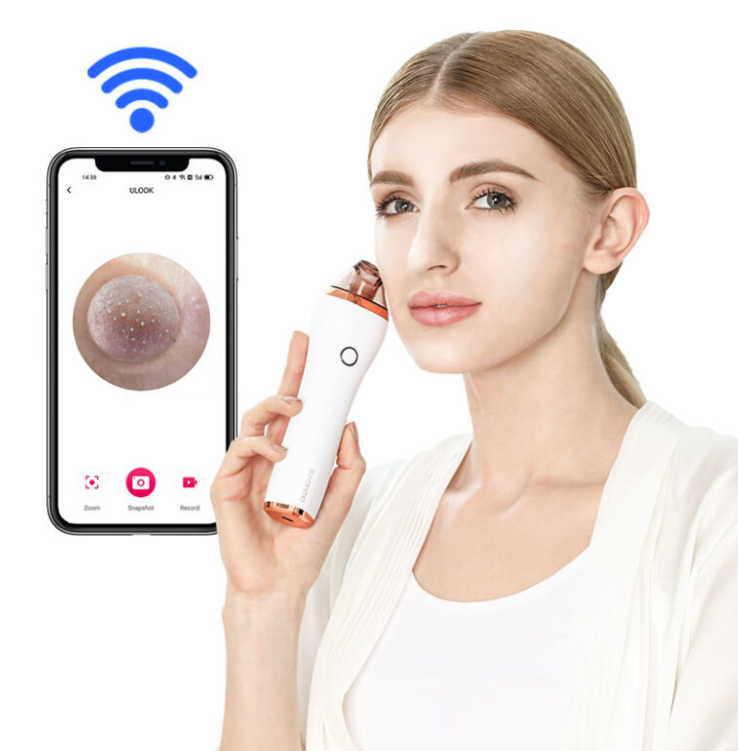
As interest in home beauty technology continues to grow, consumers have more options for managing their personal skincare routines. A vacuum blackhead remover is one type of facial tool designed to use suction to lift loose material and surface buildup from pores. Understanding its purpose, limitations, and proper handling can help people decide whether it is an appropriate addition to their skincare routine.
The Difference Between Enlarged Pores and Clogged Pores
Pores are a natural part of skin structure, and their visibility varies from person to person. Genetics, age, skin elasticity, and oil production can all influence how noticeable they appear. People sometimes assume that visible pores always contain blackheads, but this is not necessarily true.
An enlarged-looking pore may simply be a normal opening that appears more prominent because of excess oil or reduced skin elasticity. A clogged pore, on the other hand, contains accumulated material that can develop into a blackhead or another type of blemish.
Understanding this distinction helps prevent unnecessary treatments. Trying to extract material from every visible pore can irritate the skin without improving its appearance. A better approach is to identify actual congestion and choose suitable care methods for the concern being addressed.
Why the Nose Often Needs Different Attention
The nose is one of the areas where people commonly notice dark dots and visible pores. This is partly because the skin around the nose can produce considerable oil, making it more susceptible to congestion.
Not every dark spot in this area is a blackhead. Many people have sebaceous filaments, which are normal structures that help transport oil through the pores. They can look similar to blackheads but are usually smaller, lighter, and more evenly distributed.
This matters because sebaceous filaments naturally refill after removal. Trying to eliminate them completely through repeated extraction can damage the surrounding skin. Gentle cleansing and appropriate skincare ingredients are generally more suitable for managing their appearance.
A personalised approach is therefore more useful than treating every visible dot as a problem that needs immediate extraction.
How Suction-Based Facial Tools Work
Suction-based facial devices create negative pressure when their treatment head makes contact with the skin. This pressure is intended to lift loose debris and surface material from pores. Different models may offer multiple intensity settings and interchangeable attachments for different treatment areas.
The technology is appealing because it provides a mechanical approach to pore care without requiring the user to squeeze individual blackheads manually. However, the results are not guaranteed, and stronger suction does not automatically mean better performance.
The skin around the nose, cheeks, and forehead can respond differently to pressure. Applying excessive suction may cause temporary redness, bruising, irritation, or broken capillaries. For this reason, users should follow the manufacturer’s instructions and avoid holding the device in one place for too long.
People with highly sensitive skin, rosacea, active inflammation, broken skin, or visible fragile blood vessels should avoid suction treatments on affected areas unless a qualified professional advises otherwise.
See also: A Plus Design: Transforming Businesses Through Professional Graphic Design
Preparing the Skin Before Any Extraction Treatment
Preparation can influence how comfortable a facial treatment feels. Starting with makeup, sunscreen, and surface oil still present may make the process less hygienic and less predictable.
A vacuum blackhead remover gentle cleanser can remove everyday residue and prepare the face for the next skincare step. The water used for cleansing should be comfortably warm rather than hot, since excessive heat may increase irritation.
Some people prefer to use a warm, damp cloth briefly before facial care. This can make the routine feel more comfortable, although it does not physically open pores or guarantee better extraction. Aggressive steaming is unnecessary, especially for skin that is sensitive or prone to redness.
Before using any mechanical tool, the manufacturer’s preparation instructions should be followed. Testing the device on a small area with the lowest appropriate setting is a sensible precaution.
The Role of Skincare Ingredients Alongside Mechanical Care
Mechanical extraction addresses surface buildup, but a long-term skincare routine should also consider the processes that contribute to clogged pores.
Salicylic acid is a commonly used ingredient for oily and congestion-prone skin. As a beta hydroxy acid, it can help loosen material within pores and support the removal of dead skin cells. It should be introduced gradually because frequent use may lead to dryness or irritation.
Niacinamide is another ingredient often included in routines for people concerned about excess shine and uneven skin appearance. It can support the skin barrier and may help improve the appearance of oiliness over time.
Moisturising remains important even when the skin produces excess oil. Skipping moisturiser can leave the skin uncomfortable and may encourage people to overuse harsh cleansing products. A lightweight, non-comedogenic formula can provide hydration without feeling excessively heavy.
Sunscreen is also essential during the day. Protecting the skin from ultraviolet exposure supports overall skin health and helps prevent premature visible ageing.
Making Facial Device Hygiene Part of the Routine
A skincare device should be treated as personal equipment rather than an accessory that can be used without maintenance. Its attachments may collect oil, residue, and skin debris during treatment. If these components are not cleaned correctly, they can become an unnecessary source of contamination.
Users should check whether the device has detachable treatment heads and follow the recommended cleaning method. Components should be dried completely before storage, while the main unit should be handled according to its electrical safety instructions.
Sharing facial devices is generally best avoided unless the manufacturer provides a suitable cleaning and disinfection procedure. The device should also be inspected for cracks, damaged attachments, or other signs of wear before each use.
A clean storage location helps protect equipment between treatments. These small habits may seem less interesting than the treatment itself, but they are important parts of responsible home skincare.
How Beauty Brands Can Make Product Education More Useful
The growing range of facial equipment creates an opportunity for brands to provide better consumer education. Product pages should explain what a device is designed to do, how it should be used, and which skin concerns may require a different approach.
Clear demonstrations can help customers understand the correct movement, suitable treatment areas, and basic maintenance steps. Visual material created with tools such as Dreamina can support educational layouts and early campaign concepts, provided that the final information accurately represents the product and does not exaggerate its results.
Brands should also communicate realistic expectations. No home device can permanently remove pores or guarantee that blackheads will never return. Honest descriptions help consumers select equipment based on practical needs rather than unrealistic promises.
Conclusion
Pore care becomes easier to manage when people understand the difference between normal skin structures, visible sebaceous filaments, and actual blackhead congestion. Instead of relying on aggressive extraction, a balanced routine combines gentle cleansing, appropriate skincare ingredients, hydration, and careful use of suitable facial equipment.
Suction-based tools can offer a convenient option for certain types of surface buildup, but they require responsible handling and realistic expectations. By prioritising skin sensitivity, device hygiene, and consistent everyday care, consumers can make better decisions about the products they introduce into their facial routines.