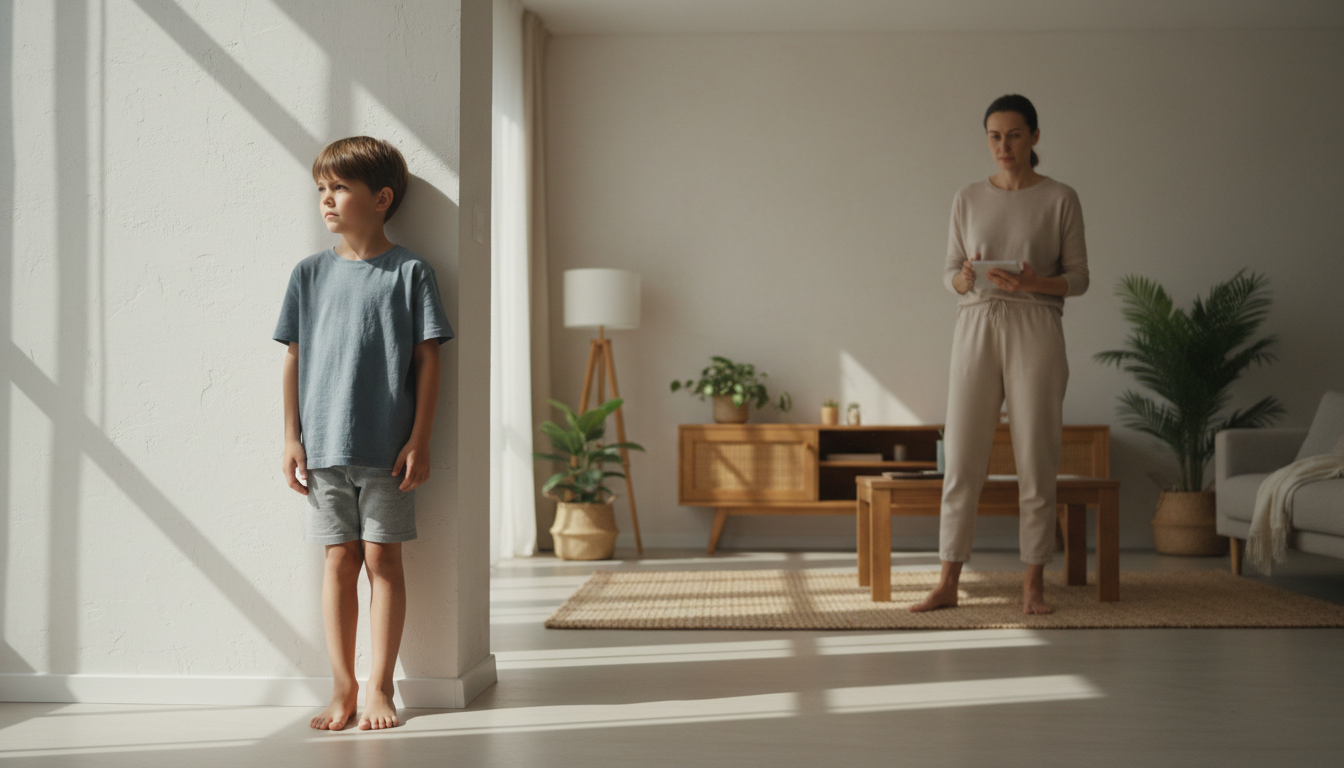

A child can suddenly slouch at the table. The child stands differently in photos. A parent wants to know what changed. Many posture shifts come with growth. The body adjusts along with that growth. A pattern that lingers needs a closer look. Discomfort alongside the pattern also needs attention. Not all change counts as a problem. The thing to follow is change over time.
Why Posture Shifts as Kids Grow
A parent does not see growth as smooth. A shirt may fit one month. The following month it may seem too short. A child who once moved easily may look a little awkward. That child may settle into a new standing habit. A slouch during reading fits that adjustment. A lean during a wait in line fits it as well.
You may want an in-person opinion. Look up a family chiropractor in the area of Costa Mesa to reach a nearby office. Share the things you already saw. Bring the observations you already have. Do not try to name a condition. Track the moment the change appeared. Watch for a shift as your child moves. Look again for the shift after a busy day.
Early childhood brings changing routines and changing bodies. School years and adolescence bring them too. The most useful view comes from ordinary days. It does not come from one photo. It does not come from one tired afternoon. Watch your rested child over time. Watch your active child in familiar activities.
What Growth Plates Do
A growth spurt is a real physical change in the skeleton. How growth plates work during a growth spurt helps explain why. Growth plates are tissue areas near the ends of long bones. They help determine a mature bone’s length and shape. Plates finish closing at some point in adolescence. Closing follows only after growth ends.
An unusual stance does not always mean trouble. A child may need time to settle. The body has become taller. Movement habits look less settled during that stretch. A temporary slouch after rapid growth is not a diagnosis. Posture alone fails to show what care if any is needed.
See Also: How to Choose Between Breathwork and Meditation
Nearby ligaments and tendons carry less risk than growth plates. Fast-growing periods call for attention to repeated heavy loading. Overuse needs the same attention in those periods. A child may report pain then. A movement may get guarded. The child may walk or run or play differently. Lasting discomfort should not count as ordinary growing.
Reading Growth Charts
Growth charts help pediatricians. Nurses use the same charts. Parents use them. Charts follow a child’s measurement changes over time. A chart shows a measurement’s rank among other children. Discussing a growth pattern gets easier at a routine visit. Charts do not measure posture or comfort. They skip how a child moves through the day.
growth charts used to track a child’s development is what the CDC explains. Charts alone are not meant to diagnose a problem. A chart shows that growth is changing. The chart cannot explain the slouching. Avoiding an activity gets no chart answer. Standing differently in the kitchen gets no answer.
Parents often notice details a chart can’t capture. You watch your child sit through homework. You watch the child get up from the floor. The backpack gets carried. Reactions appear after practice or a long car ride. Those details belong in the conversation alongside routine growth measurements.
Patterns Worth Watching
Track a posture change. That marker is usually more useful. Spot correction is less useful. Pediatric groups publish parent resources. Those resources cover back pain. Growing pains sit in the same resources. Alignment questions appear there too. Spine-focused groups keep information. The information covers conditions that need clinical attention. A second look is not a worst case assumption.
Watch for patterns that continue rather than one tired-looking afternoon:
- Pain or tenderness or a limp or reluctance to join normal activities
- Repeated lean or twist or uneven stance you notice
- Posture change past a few weeks
- Position unchanged as your child stands tall or moves around
Write down what you see. Record when it happens. A child may look different after a demanding practice. The look may differ after a restful weekend. This context gives a provider more to work with. Clear notes help more than a posture judgment. That judgment comes from one picture.
Individualized Attention as Kids Grow
Growth is not uniform from child to child. Even siblings follow different growth patterns. A fast height stretch can leave a child briefly clumsy. A different child may slowly form a slump habit at screens or homework. Comfort counts as much as standing posture. Activity level counts in the same picture. Health history counts as well.
You may speak with Blooming Chiropractic. Check whether the visit matches your child’s age. Check whether it matches the symptoms. Raise the home pattern you have noticed. A useful talk begins with the parent’s observations. It covers what the child feels. Duration of the change belongs in that talk.
Referral to a pediatrician or other health professional should stay available. Symptoms can call for that referral. Concerns can call for it too. Posture needs no single response for every child. The aim is to grasp what you notice. Pick monitoring or an evaluation or both.
What to Do Next
Watch the pattern first. Do not treat each slouch as a warning. See if posture shifts after your child stands tall. See if that pattern holds for several weeks. Note pain with the pattern. Note reduced activity with it. Those notes help more than diagnosis from one moment.
Share notes with your child’s pediatrician about a change on your mind. Or arrange an in-person posture and movement discussion with a local provider. Ask the provider what they see. Ask them what they would monitor. Ask when they would want you to check back.