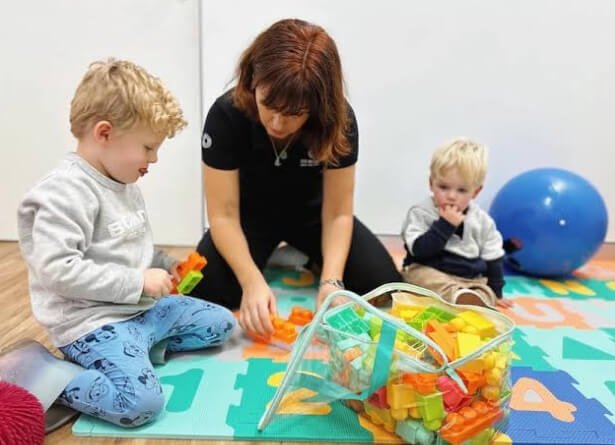

Occupational therapy (OT) plays a crucial role in supporting individuals to achieve independence in their daily activities and improve their quality of life. In Sydney, a wide range of OT services are available to assist people of all ages with physical, sensory, cognitive, and developmental challenges. This guide provides an in-depth overview of occupational therapy in Sydney, highlighting its benefits, target population, and the types of services offered.
Understanding Occupational Therapy
Occupational therapy is a client-centred health profession focused on enabling individuals to participate fully in everyday life. Therapists use a holistic approach, considering physical, psychological, social, and environmental factors affecting a person’s functioning. The goal of OT is to promote health and well-being by helping clients develop, recover, or maintain meaningful activities or occupations.
Importance of Occupational Therapy
Occupational therapy is essential for people facing limitations due to illness, injury, disability, or ageing. It assists in restoring independence by providing practical strategies and adaptive techniques to overcome barriers. For children, OT can support developmental milestones such as fine motor skills and social interaction. Adults benefit from OT interventions targeting work-related tasks, self-care, and mobility. For older adults, occupational therapists help manage age-related conditions, maintaining autonomy and safety at home.
OT Sydney: Services and Specialisations
In Sydney, occupational therapy services encompass a broad spectrum tailored to meet individual needs. These include paediatric therapy, mental health support, rehabilitation following surgery or stroke, aged care, and neurological rehabilitation. Therapists conduct comprehensive assessments to identify challenges and design personalised intervention plans.
Paediatric OT in Sydney focuses on supporting children with developmental delays, sensory processing disorders, or disabilities. Interventions may include play-based therapy, fine motor skill development, and sensory integration techniques. This helps children enhance their participation in school, home, and community activities.
Adult services often aim to aid recovery from conditions such as arthritis, musculoskeletal injuries, or neurological disorders. Occupational therapists work on improving hand function, postural control, and adaptive strategies for daily living. They may also provide ergonomic advice and workplace modifications to support return to work.
Therapeutic Approaches Used in Occupational Therapy
Occupational therapists use a range of therapeutic methods including task analysis, skill training, environmental modifications, and use of assistive technology. They consider client goals and preferences to ensure interventions are meaningful and engaging. Education for clients and caregivers is also a vital component of therapy, equipping them with knowledge to sustain progress.
Benefits of Accessing OT Sydney Services
Access to professional OT Sydney services provides numerous benefits. These include enhanced independence in personal care, improved capacity to work or study, increased social participation, and better management of chronic conditions. In rehabilitation settings, early intervention from occupational therapists can reduce hospital stays and prevent complications.
Moreover, occupational therapy contributes to fall prevention, mental health support, and cognitive rehabilitation. Therapists often collaborate with multidisciplinary teams, ensuring comprehensive care for their clients. This integrated approach improves outcomes for individuals with complex needs.
How to Choose an Occupational Therapy Service in Sydney
Selecting a suitable occupational therapy provider involves considering several factors. Prospective clients should verify the qualifications and registration status of therapists. It is also important to assess the range of services offered, accessibility of the clinic, and whether home visits are available. Client testimonials and referral options can provide additional insight into the quality of care.
Referral and Funding Options
Many people access occupational therapy services via medical referrals. General practitioners or specialists can recommend therapy based on clinical need. Funding for OT in Sydney may come from private health insurance, government programs, or national disability schemes. Some private practices also offer direct access services without the need for a referral.
Role of OT in Ageing Population
With an increasing ageing population in Sydney, occupational therapy is vital in supporting older adults to live independently. Therapists conduct home safety assessments, recommend assistive devices, and provide training on mobility and self-care techniques. These interventions reduce risks associated with falls and hospital admissions.
OT Services for Mental Health
Occupational therapy also addresses mental health conditions by enhancing coping strategies and promoting participation in meaningful activities. Therapists assist individuals with anxiety, depression, or stress-related disorders to develop routines and social skills, which contribute to improved mental wellbeing and resilience.
Technological Innovations in Occupational Therapy
Advancements in technology have expanded the tools available to occupational therapists. Use of virtual reality, tablet applications, and specialised equipment enables customised therapy sessions targeting specific client needs. These innovations increase engagement and facilitate remote therapy services, especially important in times of limited physical access.
Community-Based Occupational Therapy
Community-based OT services in Sydney aim to support social inclusion and participation. Therapists work in schools, aged care facilities, and community centres, providing interventions that empower clients within their natural environments. This approach ensures therapy is relevant and sustainable in real-life contexts.
Occupational Therapy Education and Professional Standards
Occupational therapists in Sydney are required to complete accredited tertiary qualifications and adhere to professional standards set by regulatory bodies. Continuous professional development ensures practitioners remain current with evidence-based practices and ethical guidelines, maintaining high standards of care.
Future Directions of OT in Sydney
The future of occupational therapy in Sydney involves expanding services through integrated healthcare models and leveraging digital health technologies. Increased awareness of the benefits of OT will support earlier intervention and broader access, improving health outcomes across the lifespan.
Conclusion
Occupational therapy is a vital healthcare service offering comprehensive support to people with diverse needs in Sydney. From paediatric to geriatric care, OT helps individuals overcome barriers to participation and lead fulfilling lives. Accessing professional OT Sydney services ensures tailored interventions based on individual goals, promoting independence and wellbeing across all stages of life.