Newsletter Subscribe
Enter your email address below and subscribe to our newsletter

 Byadmin
Large yard projects can create far more debris than homeowners expect. Cutting back overgrown shrubs, clearing brush, removing small trees, pulling out old landscaping beds, trimming large branches, and cleaning neglected corners of a property can quickly produce piles of bulky organic material.
Unlike ordinary household trash, yard debris often takes up a lot of space before it weighs very much. Branches, vines, brush, roots, and plant material can also be awkward to handle and difficult to stack efficiently. A good dumpster rental strategy helps homeowners keep the property organized while preventing debris from spreading across driveways, lawns, and work areas.
Before ordering a dumpster, walk the entire property and identify what will be removed. One section of overgrown brush may be only part of the project. Fence lines, side yards, sheds, garden beds, patios, drainage areas, and wooded edges may all contain additional debris.
Make a list of the major materials involved. These might include branches, shrubs, vines, old mulch, dead plants, small logs, roots, sod, broken planters, landscape edging, fencing, and other outdoor materials.
Understanding the full scope makes it easier to plan the cleanup instead of discovering halfway through that the job is much larger than expected.
Many yard projects include more than plants. A neglected landscape may contain plastic edging, landscape fabric, wire fencing, metal stakes, old lumber, broken pavers, concrete pieces, pots, and outdoor furniture mixed among the vegetation.
Homeowners should separate these materials as early as possible. Organic debris may have different disposal requirements than construction or household waste. Mixing everything together without checking the rules can complicate disposal later.
If you are unsure where to dump yard debris, reviewing your available disposal options before the project begins can help determine what belongs in the dumpster and what may need a separate destination.
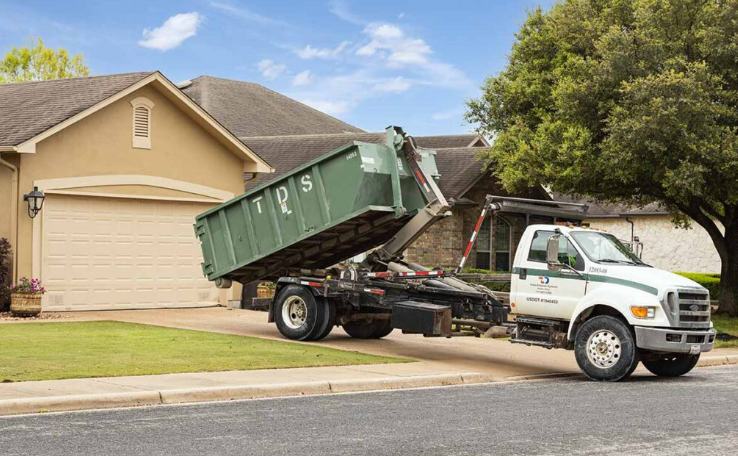
Dumpster placement can have a major effect on how much work the cleanup requires. The container should be close enough to the yard that homeowners or crews can load it efficiently, but it also needs to remain accessible for delivery and pickup.
Working with Waste Removal USA can help homeowners coordinate dumpster placement and service for larger yard cleanup projects. Common locations include driveways or other firm, accessible areas near the main route into the backyard.
The goal is to reduce the distance debris has to travel without blocking the garage, driveway, or other areas needed during the project.
Many properties do not allow a dumpster to be placed directly beside the cleanup area. Brush and branches may need to travel through a side gate, across the lawn, down a driveway, or around the house.
Clear this route before major cutting begins. Move hoses, lawn furniture, planters, toys, bicycles, tools, and other obstacles out of the way. If the route passes through a narrow gate, large branches may need to be cut into smaller pieces before they are moved.
A clear route prevents the cleanup from turning into a series of temporary piles.
Long branches and tangled brush can consume dumpster space quickly when loaded carelessly. They create large pockets of unused space and make it difficult to add additional material.
Cut longer branches into manageable sections when practical. Smaller pieces can usually be stacked more efficiently and are easier to carry through gates or narrow side yards.
Vines and flexible brush can also become tangled around other debris. Bundling or cutting them into shorter lengths before loading may make the overall cleanup easier.
Shrub removal often involves more than branches and leaves. Root balls can be heavy, bulky, and packed with soil. Even a relatively small shrub may produce a dense mass once it is pulled from the ground.
Homeowners should shake or remove excess loose soil when practical instead of loading unnecessary dirt along with plant debris. Large amounts of soil can significantly change the weight of a load.
If the project involves major grading or extensive soil removal, that material may require a different disposal plan from ordinary brush and yard debris.
Removing small trees can produce several types of debris at once. Branches are bulky, trunks are dense, and root sections can be extremely heavy. Cutting everything down before thinking about disposal can leave a large pile that is difficult to reorganize.
A better strategy is to work in stages. Remove branches first, cut them to manageable lengths, and load or stage them. Then address the trunk and root area.
This approach helps keep the work zone clear and makes it easier to judge remaining dumpster capacity.
Yard renovations sometimes include removing old retaining borders, pavers, stones, concrete edging, or decorative rock along with vegetation. These materials behave very differently from brush.
Concrete, brick, stone, and soil can add weight quickly. Homeowners should not assume they can fill the remaining space in a brush-heavy dumpster with dense material without considering capacity and disposal requirements.
Identify heavy landscaping debris before the project begins so it can be planned separately if necessary.
A common cleanup mistake is creating piles everywhere. One pile forms beside the fence, another near the patio, another beside the driveway, and another behind the shed. Eventually, the property is covered in material that all has to be handled again.
Whenever practical, move debris toward the dumpster as the project progresses. If temporary staging is needed, designate one or two areas rather than allowing waste to accumulate throughout the yard.
Consolidated piles are easier to manage and make progress much easier to see.
Large cleanup projects often happen around plants, trees, lawn areas, or hardscape that homeowners want to keep. Dragging branches, logs, or root balls across these areas can damage them.
Plan debris routes around valuable landscaping when possible. Avoid stacking heavy materials on lawns for long periods, especially if the ground is wet. Keep wheelbarrows, carts, and other hauling equipment on consistent paths.
Waste removal should improve the yard, not create new repairs.
Weather can change the difficulty of yard cleanup considerably. Rain makes branches, leaves, soil, sod, and root balls heavier. It can also turn access routes into mud and make wheelbarrow or equipment movement harder.
If possible, complete the heaviest hauling before prolonged rain. Keep the dumpster service route clear and avoid placing large debris piles where water naturally drains.
Wind is another consideration. Leaves, lightweight branches, vines, and plant scraps can spread beyond the property if they are left loose for too long.
Yard projects often grow after work begins. Clearing one brush section may reveal another layer of vines, old fencing, buried landscaping fabric, fallen branches, or years of accumulated yard waste underneath.
Check dumpster capacity throughout the project rather than waiting until the container is nearly full. Bulky brush can consume space faster than expected even when it is relatively light.
If the cleanup is expanding, adjusting the service plan early is easier than trying to find somewhere for overflow debris later.
Yard cleanup often overlaps with normal household activity. Homeowners may still need to use the driveway, garage, sidewalk, gates, and entrances while the project is underway.
Avoid staging branches or root balls where they block vehicles or walking paths. Sharp cut branches can also create hazards if they extend into commonly used areas.
A clean route between the yard and dumpster helps keep the rest of the property usable while the work continues.
See Also: Fresh Gmail Accounts Provider
Large yard projects are easier to manage when divided into sections. Homeowners might clear one fence line first, then move to an overgrown bed, followed by the rear property line or a neglected side yard.
Finish most of the loading from one section before opening another. This prevents the entire yard from becoming one large debris field.
Section-by-section cleanup also makes it easier to see how much dumpster space remains before tackling the next area.
Do not schedule final dumpster removal immediately after the largest brush pile is gone if more trimming, landscaping, or cleanup remains. Smaller branches, plant containers, cut roots, and final yard debris may continue to appear.
At the same time, the dumpster should not remain longer than necessary once the main work is finished. Final pickup should occur after the last significant cleanup phase.
Before the container leaves, inspect the driveway, lawn edges, gates, and debris route for loose branches, wire, stakes, and other small materials.
One common mistake is loading long branches without cutting them down, which wastes container space. Another is mixing large amounts of soil, concrete, or stone with brush without planning for the added weight.
Homeowners should also avoid creating multiple debris piles around the property or blocking the dumpster service route with landscaping supplies, trailers, or vehicles.
A better approach is to sort materials early, cut bulky debris into manageable pieces, load steadily, and monitor capacity throughout the project.
Dumpster rental strategies for yard projects with heavy brush and plant debris should focus on material type, access, efficient loading, and keeping the property organized. Branches, vines, shrubs, roots, small trees, and other organic debris can occupy substantial space even when the material is not especially dense.
By reviewing the entire yard, separating heavy materials, choosing practical dumpster placement, creating a clear hauling route, cutting brush into manageable sizes, and cleaning the property in sections, homeowners can keep large outdoor projects under control. A thoughtful waste plan makes it easier to clear old growth and move toward a cleaner, more usable yard.